


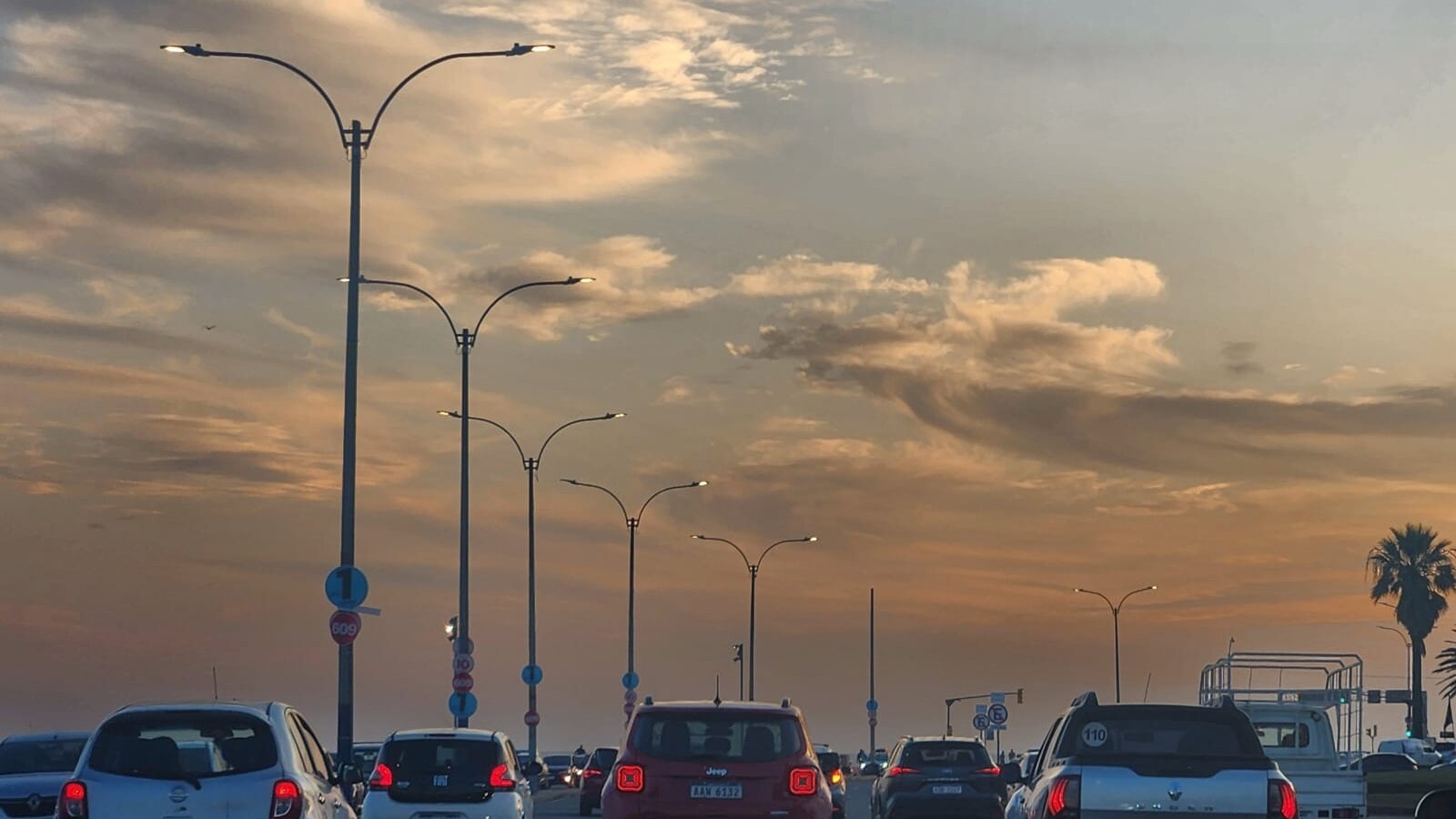
South America Municipal Lighting Project Overview
- Region
- South America
- Documented procurement
- 70,000 LED luminaires for the municipality
- Additional supply
- Approximately 25,000 luminaires
- Combined supply
- Approximately 95,000 luminaires
- Product portfolio
- Ten road and urban lighting families
- Applications
- Residential streets, connector roads, traffic routes and urban public spaces
- Lighting design
- DIALux calculations and matching IES photometric files
- Tender light quality
- CRI ≥ 70; CCT ≤ 4000 K
- LUXIFIC role
- LED luminaire manufacturer and lighting solution provider
Explore road-lighting design support, urban and residential applications, photometric files and technical documents, or LUXIFIC manufacturing.
An Energy-Saving Proposal That Had to Be Verifiable
The 70,000-unit tender defined an average legacy-lighting baseline of 145.6 W, with a stated tolerance of ±7.3 W, for the mercury and sodium equipment to be replaced. The proposed LED input power had to be considered alongside lighting performance, not selected from wattage alone.
The financing basis was 90% of verified electricity savings from direct luminaire replacement. That is a share of savings used for financing, not a claim of 90% energy reduction. Dimming and maintenance savings were excluded from the core calculation.
Independent measurement and verification were required by the tender; deviations between offered and certified savings could affect the contract price. The supplied case does not include a final measured annual kWh total or a project-wide savings percentage.
Annual direct-replacement electricity savings
(Baseline power W − LED power W) × Luminaire quantity × Annual operating hours ÷ 1,000 = kWh/year
Power is expressed in watts; dividing by 1,000 converts Wh to kWh. Apply the tender’s stated baseline, tolerance and verification method.Four Road-Lighting Scenarios
The tender required average illuminance, two uniformity ratios and threshold increment to be assessed together. Reaching an average lux target alone was not enough if distribution or glare failed the other requirements.
All four scenarios required CRI of at least 70 and CCT no higher than 4000 K. Design submissions used DIALux files and matching IES photometric files, a maintenance factor of 0.95 and a supported luminaire tilt between 0 and 5 degrees.
The values below are specified tender requirements, not measured installation results.
| Scenario | Road type | Average illuminance Em | Emin / Eavg | Emin / Emax | TI |
|---|---|---|---|---|---|
| 1 · V4 | Residential streets with local traffic | ≥ 10 lux | > 0.40 | > 0.20 | < 20 |
| 2 · V3 | Residential streets and connector routes | ≥ 25 lux | > 0.50 | > 0.30 | < 15 |
| 3 · V3 | Residential streets and connector routes | ≥ 20 lux | > 0.40 | > 0.25 | < 15 |
| 4 · V2 | Traffic streets connecting residential and commercial areas | ≥ 25 lux | > 0.40 | > 0.30 | < 10 |
On a narrow screen, scroll the table horizontally. CRI ≥ 70 · CCT ≤ 4000 K · maintenance factor 0.95.
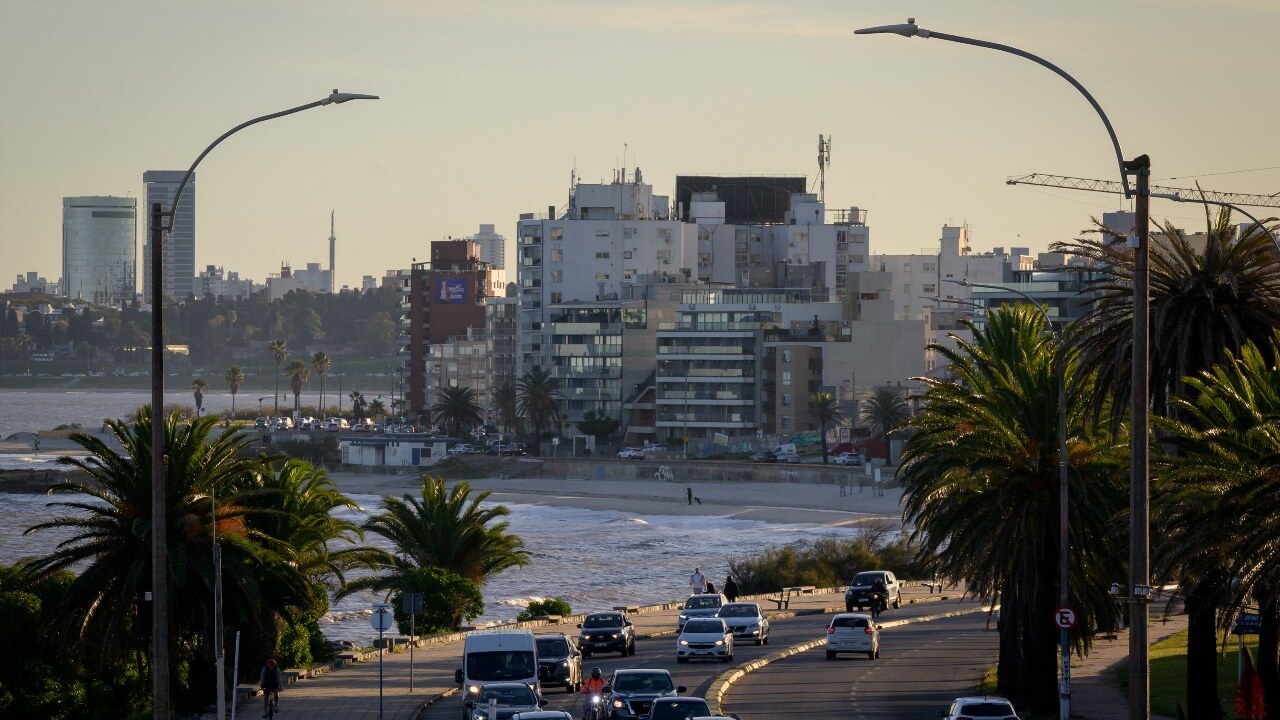
Ten Product Families for Different Streets and Public Spaces
The supply included TAURUS, BOXLED, KEIRA, KEIRA ELLIPS, DARCEY, SPHERE, MANTIS, TOPAZ, VALE and BELL. Functional roadway lighting and decorative urban applications could be configured within one coordinated programme.
The engineering team matched wattage, optical distribution and product format to the road scenarios, then reviewed the calculations with DIALux and IES data. Family links show the current catalogue; final model codes, components and configuration documents must be checked for the selected installation.
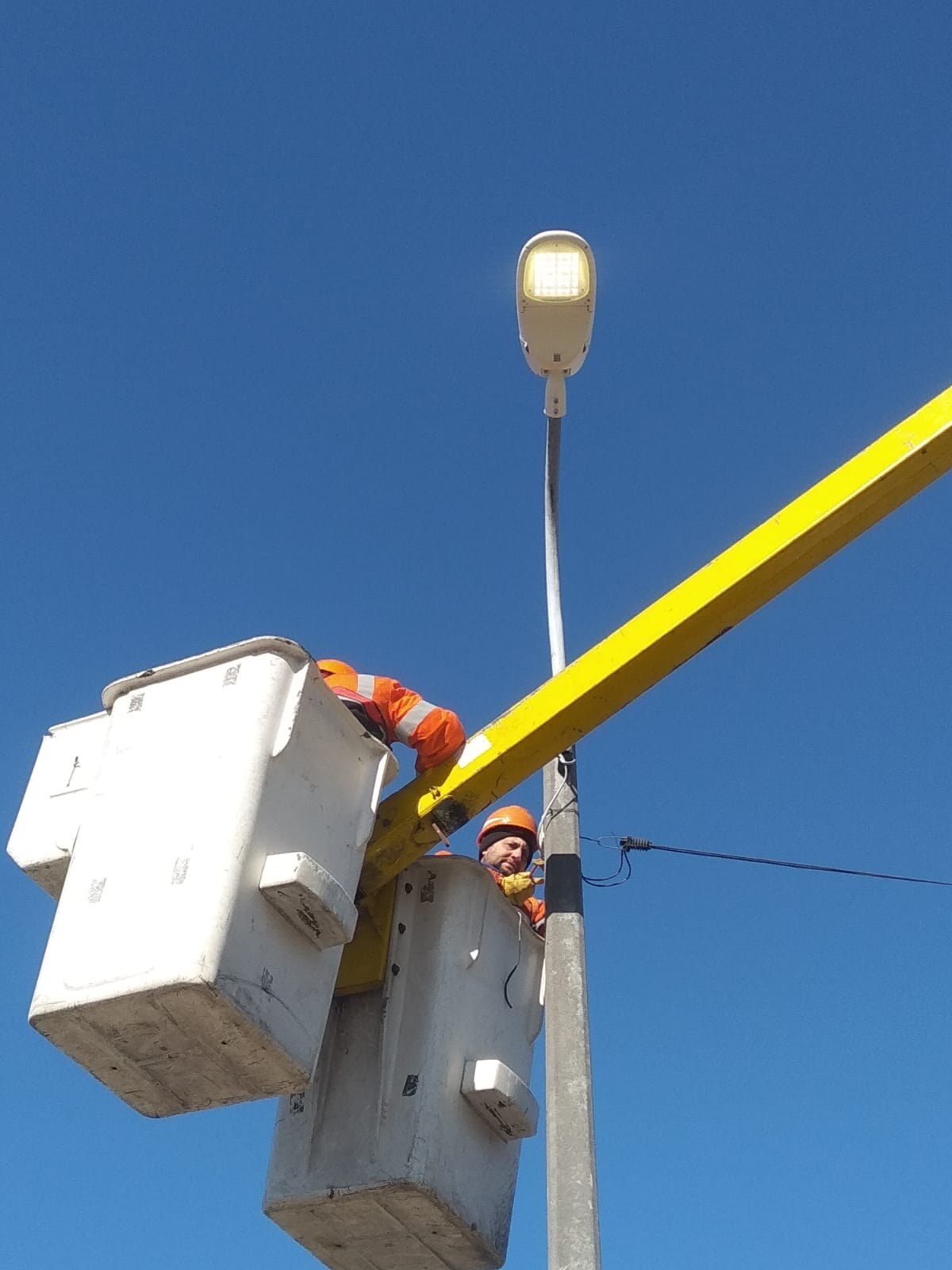
Smart-Control Requirements for the 70,000-Unit Procurement
The documented procurement specified a control module for each of the 70,000 luminaires, hub devices, a computer-based intelligent lighting management system and electrical network analysers. The case records an upper NEMA 7 receptacle compatible with ANSI C136.41 and support for 1–10 V or DALI control.
These are requirements for the documented 70,000-unit programme. They are not automatically extended to the additional approximately 25,000 luminaires. Direct replacement savings and the operational benefits of remote control remain separate parts of the case.
Engineering Performance and Municipal-Scale Manufacturing
LUXIFIC’s project record attributes the selection to technical performance and energy-saving capability rather than initial price alone. Lower proposed power had to preserve the required illuminance, uniformity, glare control and colour quality.
Across approximately 95,000 luminaires, approved electrical and photometric configurations had to remain consistent in production. Component control, thermal performance, traceability and inspection supported repeatable manufacturing.
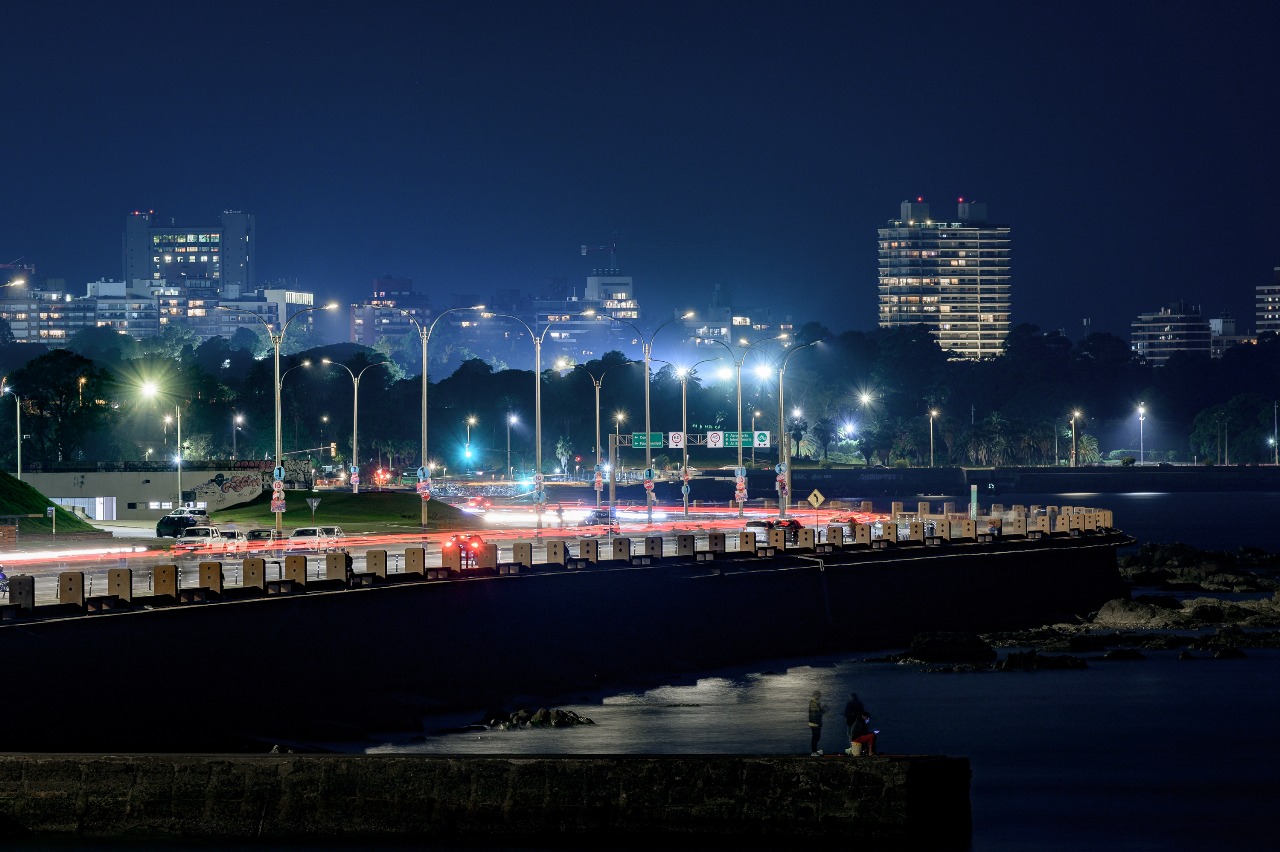
The photographs document installed road and residential lighting. They are not before-and-after measurements and do not establish a quantified savings result.
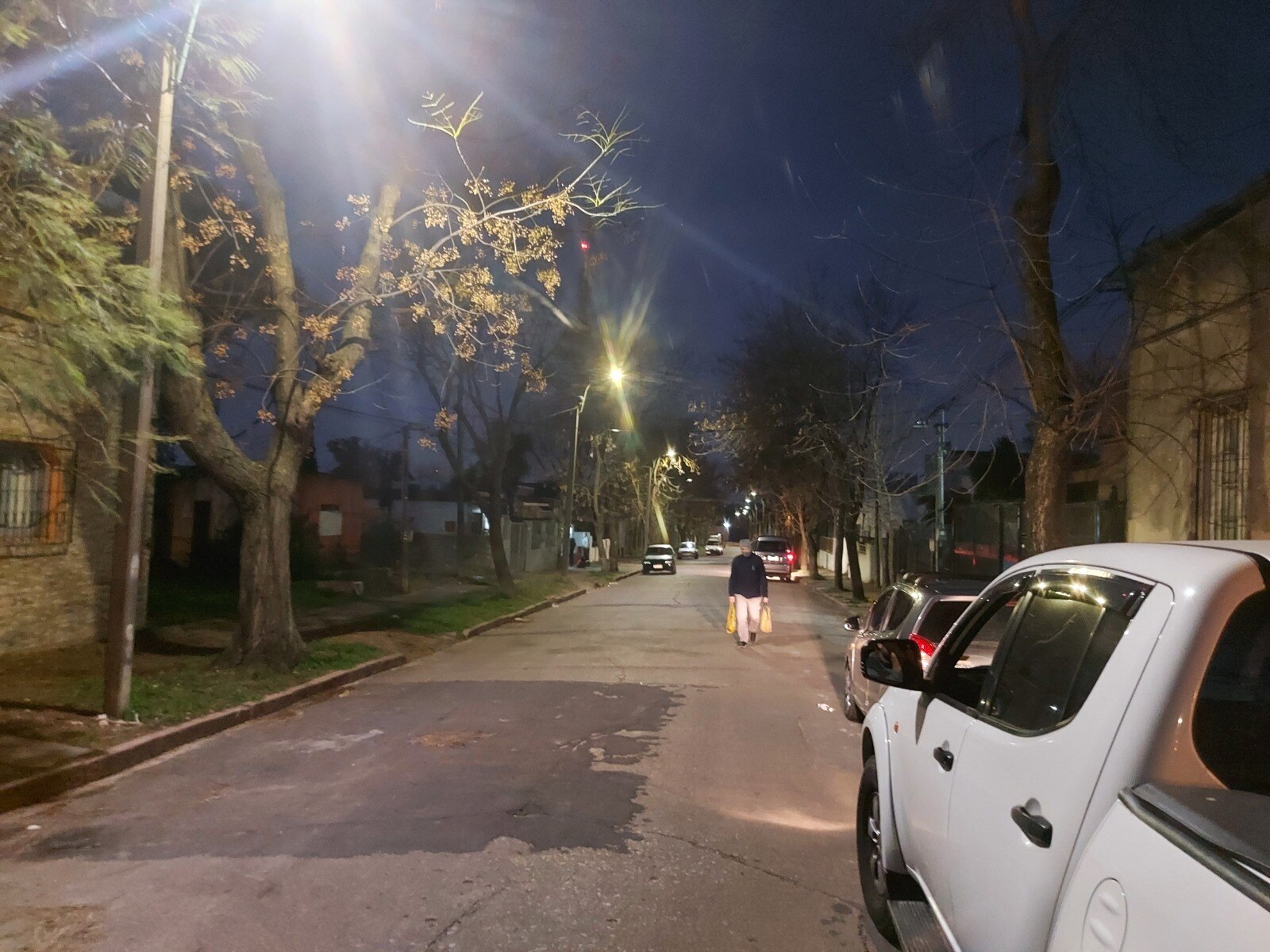
Project Records and Tender Evidence
The supply scale and product-family information are from LUXIFIC’s supplied project case. The 70,000-unit procurement, baseline and calculation method are supported by privately retained tender extracts from pages 24 and 27. The case summary identifies pages 36 and 37 as the basis for the lighting thresholds.
Original documents are retained privately to protect the project location. The technical values above describe tender requirements, not a municipal completion certificate or a final measurement-and-verification report.
Frequently Asked Questions
How many LED luminaires did LUXIFIC supply in South America?
Approximately 95,000 luminaires according to LUXIFIC’s project records: a documented 70,000-unit municipal procurement plus a further supply of about 25,000 luminaires.
Which luminaire families were included?
TAURUS, BOXLED, KEIRA, KEIRA ELLIPS, DARCEY, SPHERE, MANTIS, TOPAZ, VALE and BELL. Final configurations vary by application.
How did the tender calculate electricity savings?
It compared legacy average power with proposed LED power, multiplied the difference by the luminaire quantity and annual operating hours, and excluded dimming and maintenance savings from the core calculation.
Does the 90% figure mean a 90% energy reduction?
No. It is the tender’s financing share of verified direct-replacement electricity savings, not a measured energy-saving percentage.
What lighting-design files were required?
DIALux calculation files and matching IES photometric files, covering illuminance, uniformity, glare, colour quality and upper-hemisphere light.
Are the published lighting values measured results?
No. The table presents tender requirements. A final measured annual energy-saving total and a project-wide savings percentage are not included in this case.
YOUR MUNICIPAL LIGHTING PROJECT
Planning a Municipal LED Conversion?
Share the road geometry, installation conditions, existing power, quantities and performance targets. LUXIFIC can support optical selection, lighting calculations, control-interface review and manufacturing configuration.
Discuss your project