


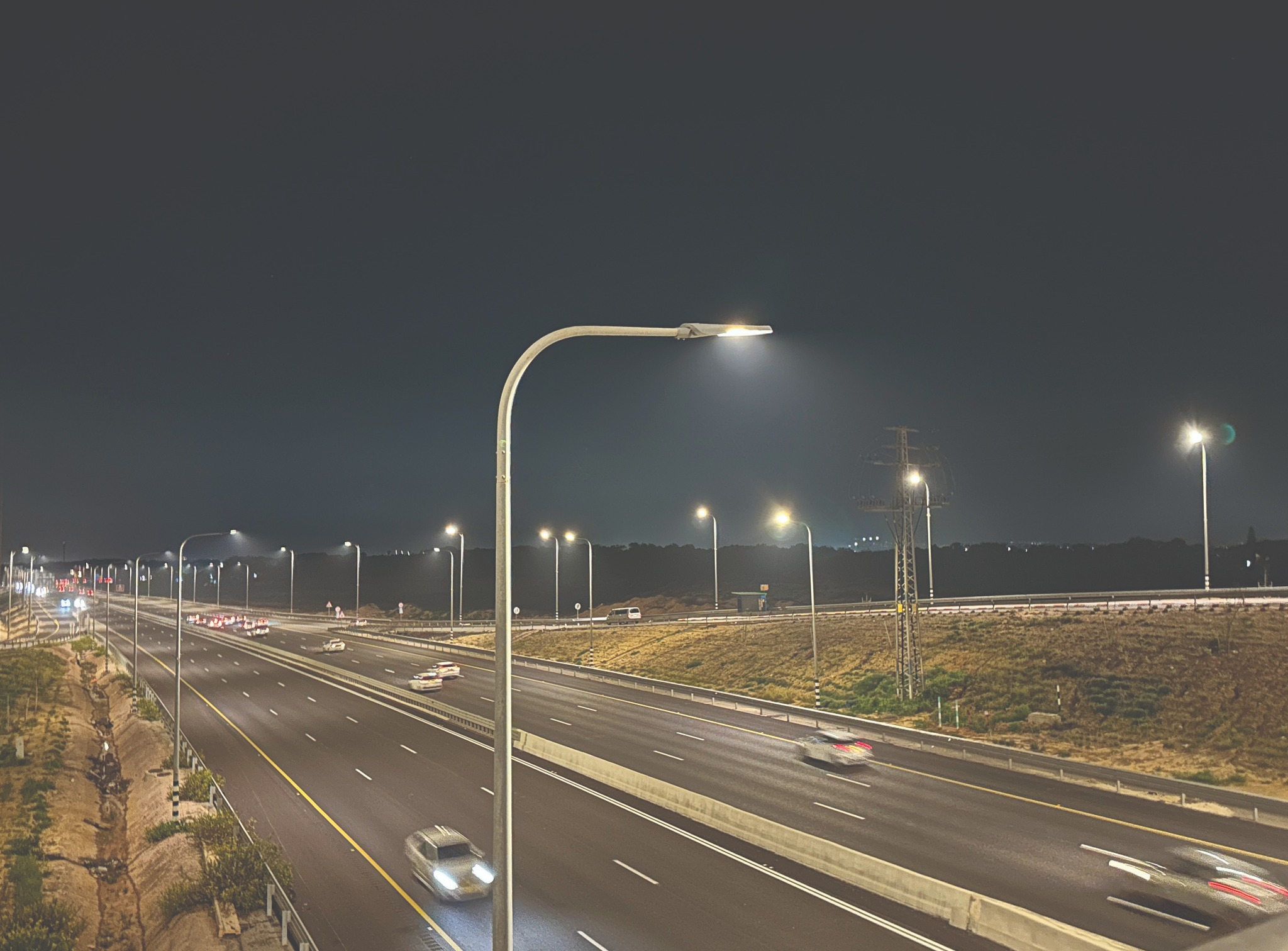
Middle East Road Lighting Project Overview
- Region
- Middle East
- Application
- Wide urban and interurban roadway
- Road width
- 16 metres
- Lighting arrangement
- Luminaires along both sides of the road
- Luminaire models
- VEGA 1, VEGA 2, VEGA 3 and VEGA 4
- Main challenge
- Meeting the required lighting values across the full carriageway width
- Key metrics
- Luminance, uniformity, threshold increment, surround ratio and illuminance
- LUXIFIC role
- Luminaire manufacturer and road-lighting solution provider
Explore road-lighting design support, photometric files and technical documentation, or LUXIFIC manufacturing.
Why the 16 Metre Wide Road Was Difficult to Light
Wide-road lighting is not solved by increasing wattage alone. With luminaires installed at the road edges, the optical system had to project useful light toward the central lanes without creating excessive brightness near the poles, dark bands between lanes or uncomfortable glare for drivers.
- Cross-road reach to the centre and opposite portion of the carriageway
- Overall and longitudinal uniformity across multiple traffic lanes
- Glare control while maintaining the required road-surface brightness
- Surround visibility beyond the carriageway edge
- Energy control through accurate distribution rather than unnecessary power
Required Road Lighting Performance
The engineering challenge was to meet all seven specified values together. Improving cross-road reach can increase glare, while concentrating output beneath the poles may raise average illuminance without solving poor uniformity. The final configuration therefore had to balance the metrics as one connected performance set.
The table records the project requirements, not a set of measured installation results.
| Lighting metric | Requirement | Engineering purpose |
|---|---|---|
| Average luminance Lav | ≥ 2.20 cd/m² | Road-surface brightness for driver visibility |
| Overall uniformity Uo | ≥ 0.40 | Limits dark areas across the full carriageway |
| Longitudinal uniformity Ul | ≥ 0.70 | Visual consistency along the direction of travel |
| Threshold increment TI | ≤ 10% | Controls disability glare for drivers |
| Surround ratio SR | ≥ 0.50 | Visibility around the carriageway edges |
| Average illuminance Eavg | ≥ 36 lux | Incident light on the road surface |
| Emin / Eavg | ≥ 0.40 | Limits contrast between bright and dark areas |
On a narrow screen, scroll the table horizontally to read every column.
View the original requirement table

The LUXIFIC Two-Sided Lighting Solution
The calculation began with the 16-metre road width and the actual two-sided installation geometry. Light from the opposing rows was evaluated as one system.
Model the full road cross section
Evaluate the road width and installation geometry together, including the contribution from both sides of the carriageway.
Select a project-specific optical distribution
Provide lateral reach toward the central lanes while controlling longitudinal distribution along the traffic direction.
Coordinate both sides
Configure the opposing rows to overlap in a controlled way, helping prevent a dark central zone while maintaining balanced brightness near each side.
Optimise installation geometry
Review mounting position, orientation, outreach and the relationship between opposing luminaires. Small changes can materially affect Uo, Ul and TI.
Verify every metric together
Review luminance, illuminance, uniformity, threshold increment and surround ratio together rather than as isolated values.
Project Outcome
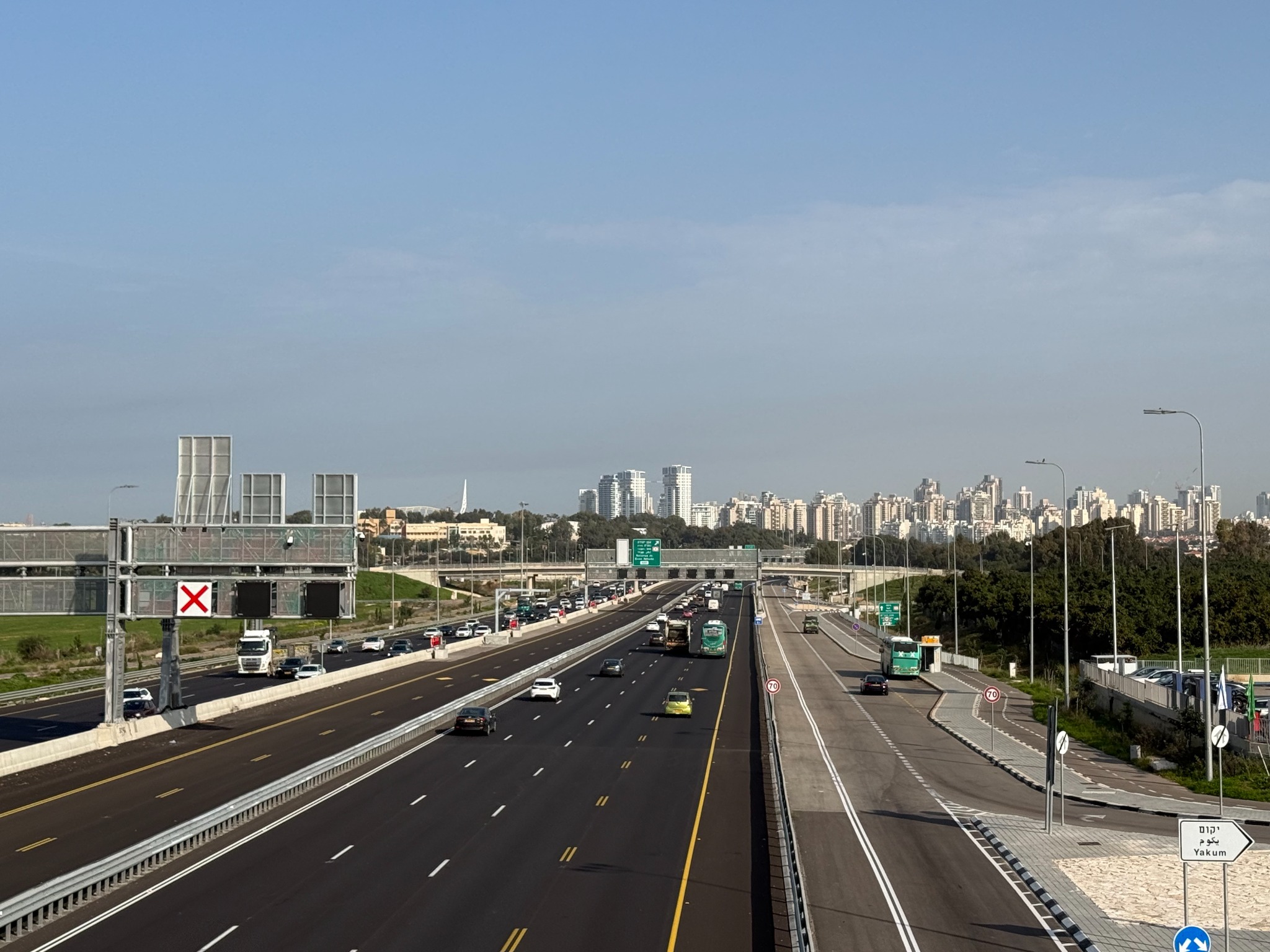
LUXIFIC’s project record states that the completed two-sided lighting configuration met the specified requirements across the 16-metre-wide road. The night-time photograph documents the installed lighting arrangement and the illuminated traffic lanes.
The case illustrates why photometric accuracy matters more than nominal wattage. A well-configured luminaire places useful light across difficult road geometry; a higher-powered but poorly matched product may still fall short on uniformity or glare.
Local Television Coverage
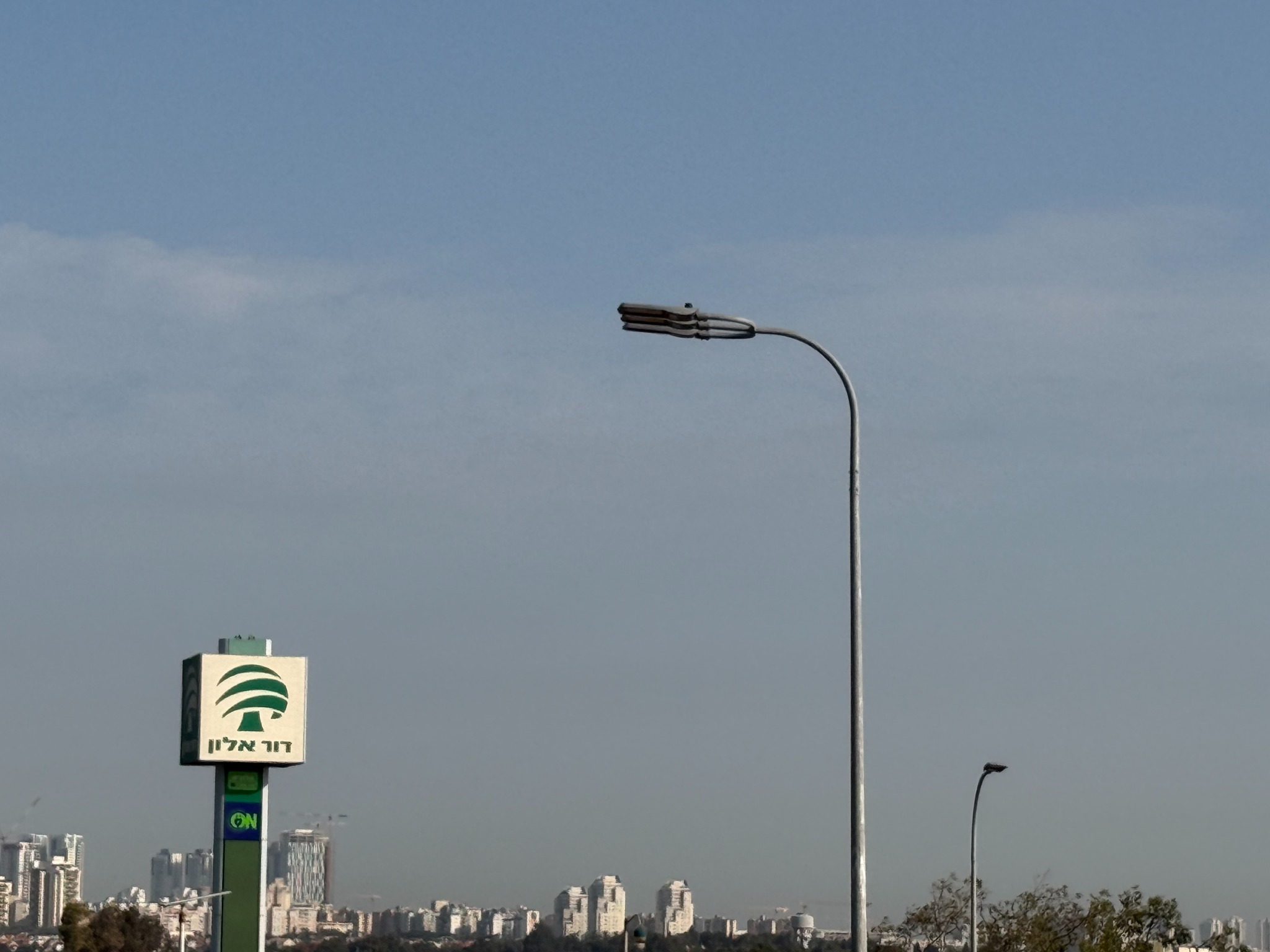
LUXIFIC’s project record reports that the completed road-lighting installation was featured in dedicated local television coverage. A broadcast link is not included in this case study.
Engineering and Manufacturing Support
LUXIFIC is a B2B outdoor-lighting manufacturer and engineering solution provider serving road, highway, high-mast and municipal lighting projects. For this Middle East project, the team configured the optical and installation solution against the specified road-lighting requirements.
For municipalities, consultants, contractors and lighting integrators, the road cross section, lane arrangement, pole positions, mounting height, spacing, outreach, tilt and required lighting criteria form the starting point for a project-specific calculation.
Frequently Asked Questions
How do you light a 16 metre wide road from both sides?
Coordinate the optical distributions from both road edges so they overlap across the carriageway. Lateral reach, longitudinal distribution, mounting geometry and glare control must be optimised together.
Which VEGA models were used in the Middle East project?
The project used VEGA 1, VEGA 2, VEGA 3 and VEGA 4 luminaires, as confirmed by LUXIFIC.
Which lighting values were required?
Lav ≥ 2.20 cd/m², Uo ≥ 0.40, Ul ≥ 0.70, TI ≤ 10%, SR ≥ 0.50, Eavg ≥ 36 lux and Emin/Eavg ≥ 0.40. These are the specified project targets.
Why is uniformity important on a wide road?
Uniformity reduces strong transitions between bright and dark areas and supports more consistent recognition of vehicles, lane markings and obstacles.
Can higher wattage solve a wide-road lighting problem?
Not by itself. Higher wattage can raise average illuminance but does not automatically improve uniformity, central-lane coverage or glare.
What information is needed for a road-lighting calculation?
The road cross section, lane arrangement, pole positions, mounting height, spacing, outreach, tilt and required lighting criteria are normally needed.
YOUR ROAD LIGHTING PROJECT
Planning a Wide Road or Highway Lighting Project?
LUXIFIC supports municipalities, consultants, contractors and lighting integrators with project-specific road-lighting calculations, optical selection, OEM and ODM development, technical documentation and manufacturing.
Discuss your project